

New strategies against viruses: the University of Würzburg explores novel targets for antiviral therapies
07/13/2026How can viruses be effectively tackled despite their constant evolution? The newly established international doctoral network VirION aims to address this question. Researchers at the University of Würzburg are investigating how specific cell organelles are altered during viral infection and which new targets may emerge from these changes for broadly effective antiviral therapies.
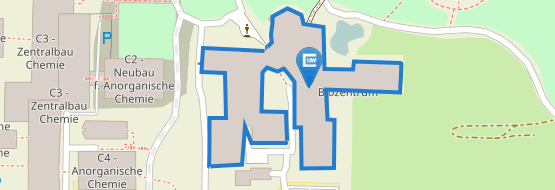
The European Union is funding VirION with approximately €4.5 million. The network aims to develop new therapeutic strategies that do not directly target the viruses, but instead modulate key processes within host cells. At the University of Würzburg, the Biocenter contributes to the network through a dedicated research project. Around €290,000 of the total funding is allocated to the Chair of Biochemistry II headed by Professor Dr. Bettina Warscheid.
Viruses have high mutation rates, allowing them to adapt rapidly to new conditions. This makes it difficult to develop antiviral drugs that remain effective over time and can promote the spread of emerging pathogens, as the COVID-19 pandemic has clearly demonstrated. As a result, research is increasingly focusing on therapies that target host cellular processes. Such approaches could be effective against a broad range of viruses while also reducing the risk of resistance development.
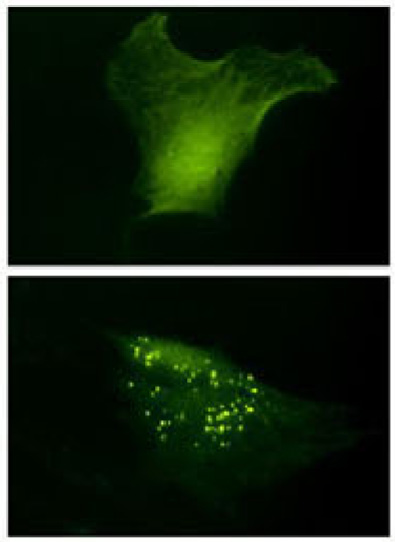
At the heart of VirION are peroxisomes – cell organelles that play an important role in both viral infections and immune responses. Their potential as targets for novel antiviral therapies has so far been explored only to a limited extent. At the same time, there is a shortage of researchers with expertise in both virology and peroxisome and organelle biology. This is exactly where the international doctoral network “Inter-organelle crosstalk in viral infections: identifying peroxisome-related targets for novel broad-spectrum antiviral strategies”, VirION, comes in.
“With VirION, we are bringing together complementary expertise from across Europe to gain a fundamental understanding of the role of peroxisomes in viral infections. Close collaboration opens up new opportunities to identify innovative targets for antiviral therapies while also providing interdisciplinary training for early-career researchers,” says Professor Dr. Bettina Warscheid, head of the Chair of Biochemistry II at the University of Würzburg.
The network comprises 14 academic and seven non-academic partners from Belgium, Denmark, Germany, England, Israel, Canada, the Netherlands, Portugal, Switzerland, and Spain. Its particular strength lies in the close collaboration between experts in peroxisome and virus research and complementary disciplines. Together, the partners combine expertise in virology, peroxisome and organelle biology, host-pathogen interactions, cellular stress responses, drug discovery, disease models, high-resolution microscopy, proteomics and other omics technologies, and AI-driven bioinformatics.
Within VirION, 15 doctoral researchers will be trained. In addition to scientific and technical skills, the international training program also provides expertise in innovation, entrepreneurship, data management, and scientific communication.
The research group of Professor Dr. Bettina Warscheid contributes its long-standing expertise in peroxisome biogenesis, functional proteomics, and the regulation of cellular signaling and proteostasis networks to the consortium.
“In VirION, we will use spatially resolved subcellular proteomics and high-resolution quantitative mass spectrometry to systematically investigate how the peroxisomal and extraperoxisomal proteomes change in real time during viral infection,” says Warscheid. “Our goal is to better understand of the molecular mechanisms of virus-host interactions and to identify new targets for broadly effective antiviral therapies.”